How to Integrate Musical Equipment into Your Classroom in Australia
Understanding Classroom Dynamics
In teaching music, understanding your classroom dynamics is crucial. Every class has its own rhythm, shaped by the students' interests and the resources available. As a music teacher, I'm constantly adapting my lessons to cater to my students' diverse tastes. Whether it's experimenting with new technology or picking up a fresh track at one of those music stores along Bourke Street, I make it a point to stay relevant and engaging.
Gauging Student Interests
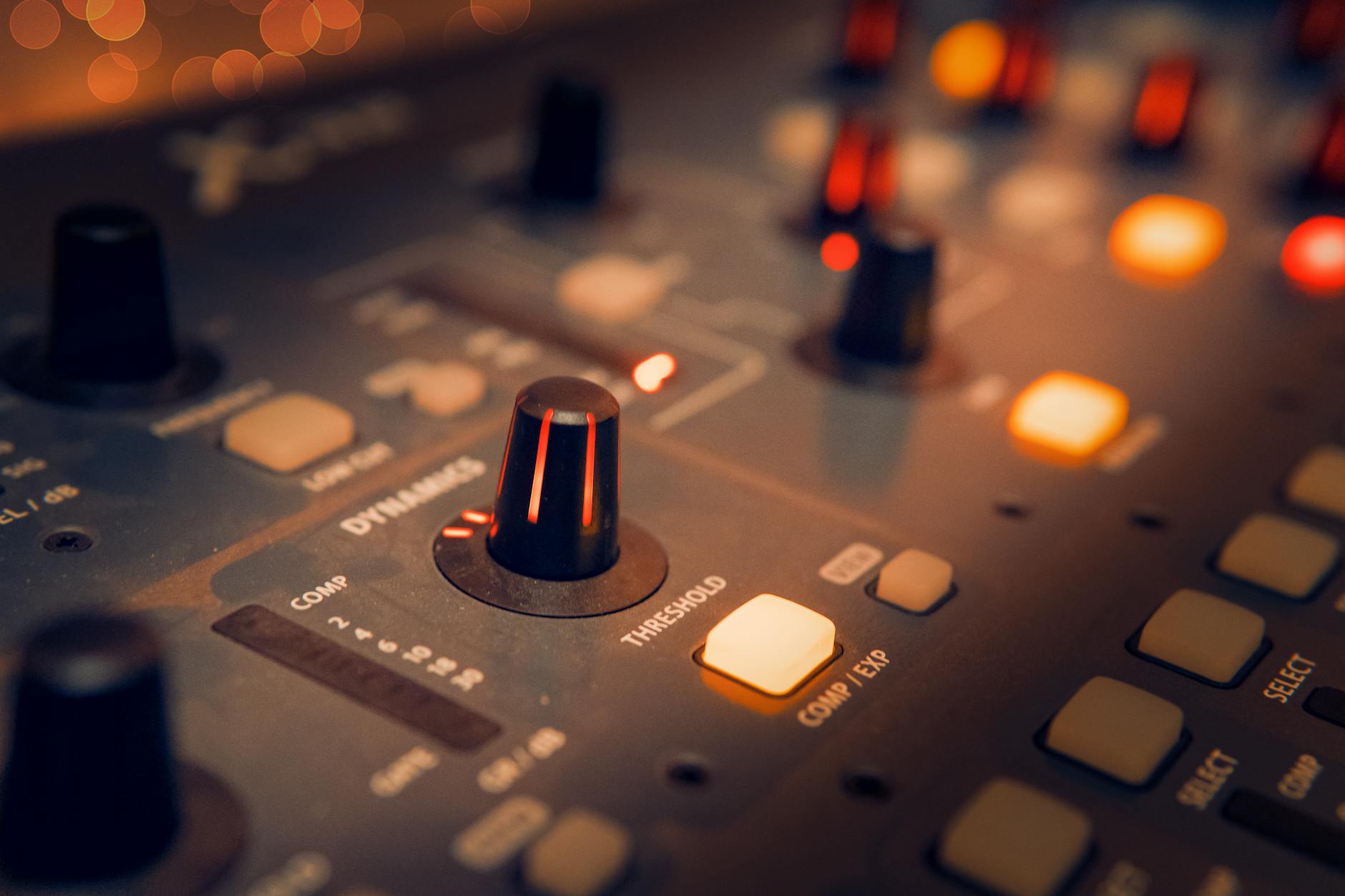
To connect with students effectively, I take the time to discover what genres they're drawn to. Often, a simple conversation can open up avenues for inspiring lesson plans. Workshops incorporating elements such as a DJ mixer or home entertainment systems can conjure up excitement and curiosity. Connecting lessons with real-life applications ensures that students remain engaged and are more receptive to learning.
Assessing Current Resources
Before ordering any new equipment, a comprehensive evaluation of existing resources is vital. This step helps maximize usage of what's already at hand and identifies gaps where additional investments might be required. In today's tech-driven classrooms, securing gear like an antenna tracking system or mesh radios could update our sound setups, significantly enhancing the learning experience.
Establishing Clear Educational Goals
Setting goals is a dynamic process that intertwines student interests and available resources. It’s important to structure objectives that motivate students and foster a supportive environment for musical exploration. Identifying these goals can begin the transformative process of integrating captivating, educational experiences.
Choosing the Right Equipment
When it comes to choosing the right equipment for your music classes, selecting the best instruments is just the beginning. As a teacher, I've often found myself browsing through music stores along Bourke Street, weighing up the variety of options available. This shopping experience can be as exciting as a gig itself. You'll want to focus on instruments that are versatile yet intuitive for students, ensuring they can easily transition from classroom to stage.
Instruments to Consider
Guitars and keyboards are staples for any school setting, providing a wide range in a single instrument. An acoustic guitar can serve as a reliable starting point for beginners, while keyboards with weighted keys closely mimic the feel of a piano, catering to intermediate learners. Don’t overlook data projectors as they enable clear instruction demonstration, allowing students to grasp complex concepts through visual aids.
Digital Tools and Software
Technology can greatly enhance teaching practices. Apps for music theory exercises and composition can keep students engaged and motivated. Moreover, comprehensive broadcast solutions are crucial if you're exploring virtual music lessons. They ensure high-quality audio and visual output—key components in maintaining your students' focus and offering them an immersive experience.
Accessories for Enhancements
Finally, don’t forget the smaller items that make a big impact. Picks for guitars, tuners, and metronomes are indispensable for practising precision. Investing in quality headphones can significantly enhance a student's experience by offering a private, focused listening environment. By prioritising quality over quantity, you can equip your classroom to inspire and transform lives.
Integrating Technology in Lessons
Creating Interactive Experiences
Integrating technology in music lessons can transform the learning experience. One of the most effective ways to engage students is by creating interactive experiences that bridge traditional music education and modern innovation. I've often relied on tools like MIDI controllers and looping stations while teaching my students. They help expand their understanding of composition and balance theory with modern creativity. In Melbourne, I've noticed that music stores along Bourke Street offer a variety of musical equipment ideal for such interactive setups.
Virtual Tools for Engagement
Incorporating virtual tools is another method to capture students' attention. Platforms offering digital sheet music and music theory apps enable students to learn at their pace, making lessons more relatable and tailored. These tools suit our tech-savvy students who enjoy exploring beyond the basics. As a teacher, it's exhilarating to see them engage with platforms that allow them to experiment with sound in a virtual environment.
Managing Technical Challenges
Of course, the integration of technology comes with technical challenges. From app malfunctions to connectivity issues, managing these hurdles is key to avoiding disruptions. I often test new technology in my personal studio in Collingwood before introducing it to my students. I've found that equipment like guitars and basses from local suppliers are generally reliable, minimizing classroom disruptions. By being prepared, teaching becomes smoother and students benefit from a more engaging and effective learning environment.
Engaging Students Effectively
Hands-On Learning Techniques
Being a teacher isn't just about transferring knowledge; it's about creating environments where students feel encouraged to explore. I've found that hands-on learning techniques can break the routine and make lessons more engaging. For instance, using paging systems in lessons enables me to divide the class into smaller, manageable groups. This approach not only caters to different skill levels but also fosters teamwork and collaboration.
Another fascinating aspect of teaching music is the array of technology that can bolster learning. Implementing an induction loop in classrooms helps those with hearing difficulties participate actively. In my experience, tapping into diverse technologies doesn't just enhance comprehension—it makes all the difference in a student's academic journey.
Collaborative Music Projects
Collaborative projects transform the classroom into a lively ensemble where students learn from each other's strengths. Imagine assigning roles within a music band context—each student responsible for a different instrument or task. This not only simulates real-world music production but also nurtures leadership and social skills. It’s akin to what I often witness at local gigs around Melbourne’s bustling music scene.
Adapting to Skill Levels
Finally, recognising and adapting to varying skill levels is essential. Tailoring lessons ensures no student is left behind. Students at different stages require different challenges, much like choosing the right guitars at local music stores along Bourke Street. By varying the complexity of tasks, I can ensure that lessons remain inclusive and stimulating for everyone involved.